CPS Energy Solar Program San Antonio: Complete Guide to Rebates and Payback (2026)
San Antonio homeowners face a hard choice: let summer electricity bills climb 35% above winter baseline, or lock in cheap solar power while CPS Energy’s rebate program remains underutilized. The CPS Energy solar program offers up to 30% rebates—potentially saving $4,000–$5,000 on a typical 6kW system—but navigating two competing incentive pathways and a 30-45 day interconnection process requires knowing the rules. This guide breaks down real payback numbers, why San Antonio families choose EnergySage quotes over CPS direct installers, and exactly how to apply for rebates without leaving money on the table.
Disclosure: SmartHomeStack earns commissions or referral fees when you take action through links on this page. This doesn’t change what we recommend — we only feature products and services we’d genuinely consider for our own homes.
Why San Antonio Homeowners Should Go Solar: CPS Energy Rate Trends
CPS Energy’s rate structure hits San Antonio hardest during summer. From June through August, residential customers pay $0.145 per kilowatt-hour during peak hours—35% higher than winter’s $0.107 kWh baseline. For a home running air conditioning 8–10 hours daily, summer cooling alone reaches $300–$450 monthly. Solar generation in San Antonio peaks exactly when CPS rates peak: a 6kW system produces ~1,100 kWh monthly during summer, directly offsetting peak-hour usage and saving $159/month before any CPS rebate applies.
Breaking Down the CPS Energy Solar Rebate
CPS Energy offers two incentive pathways. Most San Antonio homeowners qualify for Pathway A (direct rebate + performance bonus).
Pathway A: Direct Rebate + Performance Bonus
You receive two payments: an upfront rebate of $0.50 per watt installed (capped at $5,000), and an annual performance rebate of $0.25 per watt for 10 years. A 6kW system earns $3,000 immediately upon interconnection, plus $1,500 annually for 10 years ($15,000 total), combining to $18,000 in CPS incentives over the decade.
Pathway B: Income-Qualified Enhanced Rebate
San Antonio households earning under 300% of federal poverty line qualify for rebates up to 30% of total project cost (systems up to $50,000). This accelerates payback from 5.2 years to 3.1 years on average. Verify your household income eligibility with CPS Energy’s application portal before committing.
Real Payback Numbers: Case Study for a 6kW San Antonio System
| Category | Amount |
|---|---|
| Installed system cost (6kW) | $14,400 ($2.40/watt national average) |
| CPS upfront rebate | –$3,000 |
| Federal ITC (30%) | –$3,420 (applied at tax filing) |
| Net out-of-pocket cost | $7,980 |
| Financed rate (SunLight, Mosaic) | 6.99% APR, 10-year loan |
| Monthly payment | $94 |
| Annual electricity generation | 11,400 kWh |
| Avoided CPS cost (blended $0.115/kWh) | $1,311/year |
| CPS performance bonus (Pathway A) | $1,500/year (years 2–11) |
| Total annual benefit | $2,811/year |
| Payback period | 5.2 years |
| 25-year system value | $45,700 (electricity saved + bonuses) |
Key assumptions: 2.1% annual rate increase (CPS historical average), minimal maintenance, 0.5% annual efficiency degradation. Your payback may vary based on roof orientation, shading, and usage patterns.
EnergySage vs. CPS Direct Installers: Why San Antonio Homeowners Compare Quotes
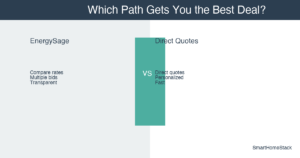
CPS Energy maintains a list of preferred installers who understand the CPS interconnection process, but they often charge 8–12% APR financing and bundle rebates into system pricing—obscuring true savings. San Antonio homeowners increasingly use EnergySage, a quote aggregator, to compare 3–5 competing bids from independent installers at transparent pricing.
EnergySage quotes show baseline pricing, CPS rebate impact separately, and third-party financing options (SunLight, Mosaic) offering 5.99–7.99% APR—lower than CPS preferred installers. After receiving quotes, request final pricing that explicitly shows:
- Gross system cost before incentives
- CPS Energy rebate reduction ($3,000–$5,000)
- Federal ITC reduction (30% of remaining cost)
- Net out-of-pocket after all incentives
- Financing rate and loan term
- Annual performance bonus timing
Next step: Get free quotes from EnergySage solar installers in your San Antonio zip code. The platform is free, takes 5 minutes, and connects you to installers who actively compete on price—saving the average San Antonio homeowner $2,000–$4,000 compared to single-source quotes.
CPS Energy Interconnection: Timeline and Net Metering
Once your system is installed, formal CPS Energy interconnection typically takes 30–45 days in San Antonio (faster than ERCOT-connected utilities). CPS Energy net metering provides 1:1 kWh credit for excess generation, tracked monthly and reset December 31 annually. Excess summer credits do not roll forward to January—size your system to match 80–100% of annual usage. A 6kW system generating 11,400 kWh annually pairs well with average San Antonio homes consuming 11,500–12,000 kWh yearly.
Common Solar Installation Pitfalls in San Antonio and How to Avoid Them
San Antonio homeowners frequently encounter issues during the solar installation and interconnection process. Understanding these pitfalls in advance helps you make faster decisions and avoid costly delays.
Pitfall 1: Oversized systems lose credits at year-end. If your 7kW system produces 13,500 kWh annually but you consume only 12,000 kWh, the excess 1,500 kWh credits expire on December 31. CPS Energy does not roll monthly overages forward, and unused annual credits have no cash value. Solution: Right-size your system to 80–100% of your annual usage (typically 5.5–6.5 kW for San Antonio homes).
Pitfall 2: Missing the CPS rebate deadline. Performance bonus payments must be claimed within specific windows. If you miss the annual submission deadline, CPS Energy may withhold that year’s $1,500 payment. Solution: Ask your installer to submit CPS interconnection paperwork immediately after installation, not 30 days later. Mark annual bonus claim dates on your calendar.
Pitfall 3: Choosing a non-TDLR-licensed installer. If your installer lacks a current TDLR license, you have no recourse for poor workmanship, and your system may not qualify for CPS rebates or warranty claims. Solution: Always verify TDLR license at tdlr.texas.gov before signing. Ask for insurance certificates and recent San Antonio job references.
Required Disclosures and Your Next Steps
SmartHomeStack Publisher Disclosure: SmartHomeStack is an independent publisher. We are not a solar installer, solar retailer, or utility company. We earn referral fees when readers request quotes through links on this site.
Installer Verification: SmartHomeStack does not verify, endorse, or guarantee any installer’s work, pricing, or licensing status. Always verify a contractor’s current TDLR license at tdlr.texas.gov before signing any agreement.
Tax Credit Verification: Tax credit eligibility depends on your individual tax situation. Verify current incentive details with a licensed tax professional or the IRS before making purchasing decisions.
San Antonio’s CPS Energy solar program is one of Texas’s most generous local incentives—but only if you navigate the application correctly. Use EnergySage to compare quotes, understand your rebate pathway, and lock in 5.2-year payback while rates remain favorable. Every month counts; start your solar journey now to maximize 2026 generation credits.
Affiliate disclosure: SmartHomeStack earns commissions from qualifying purchases and referrals. This does not influence our editorial recommendations. Learn more.